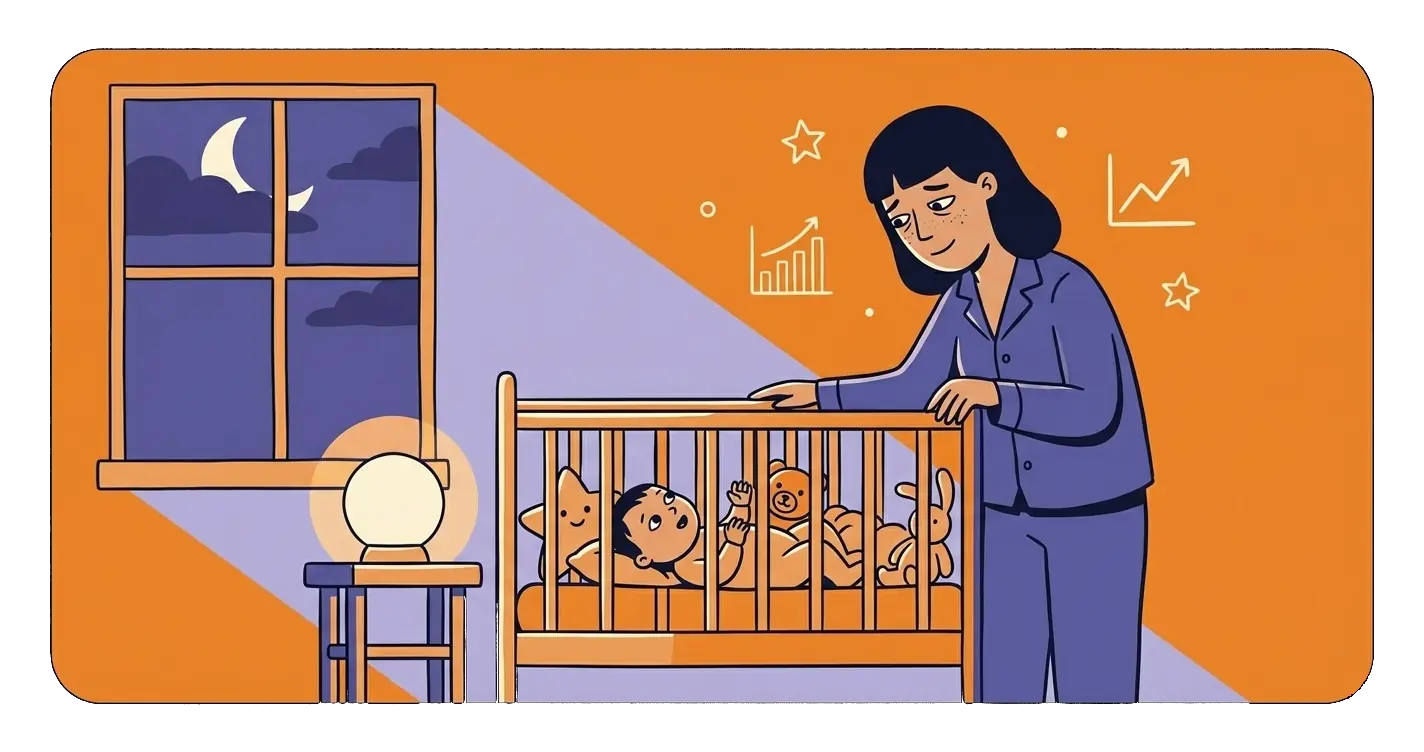
Child Sleep Hygiene: 10 Rules That Truly Improve Sleep
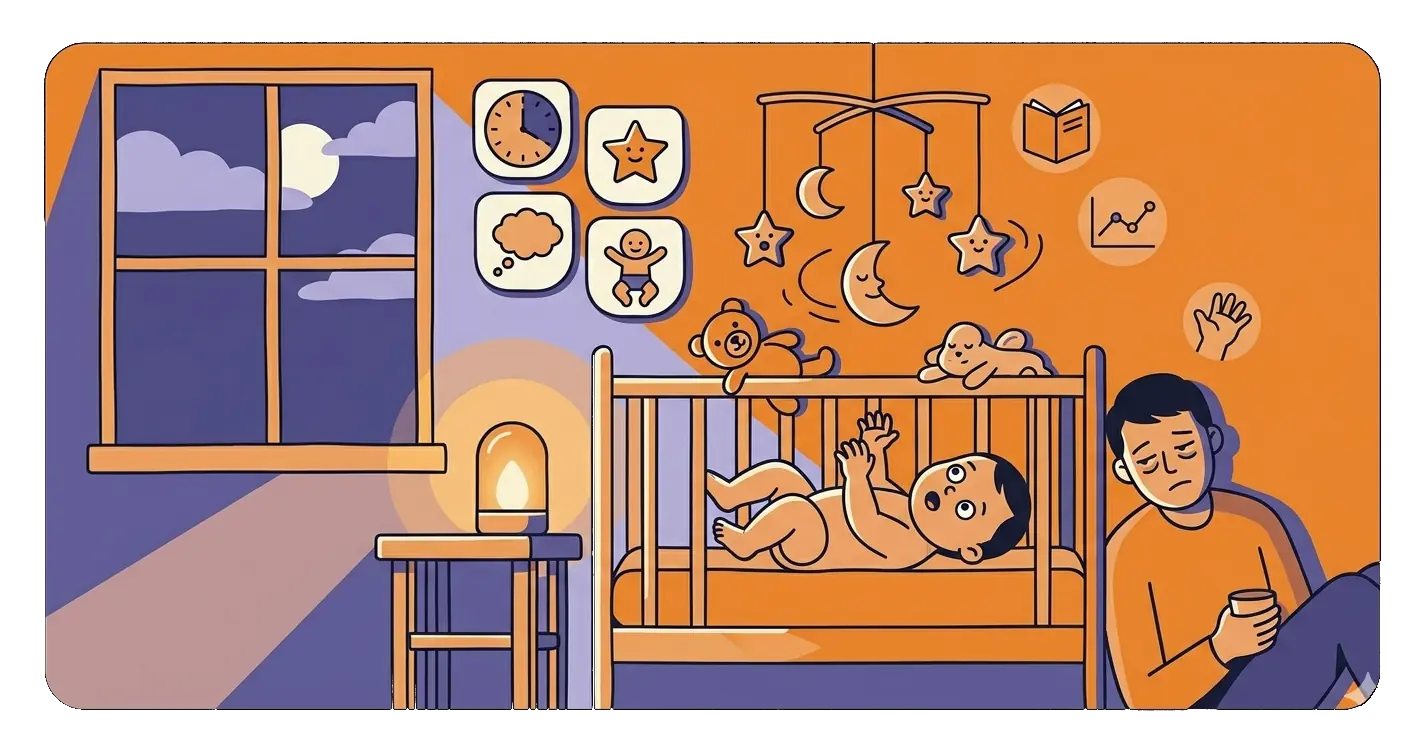
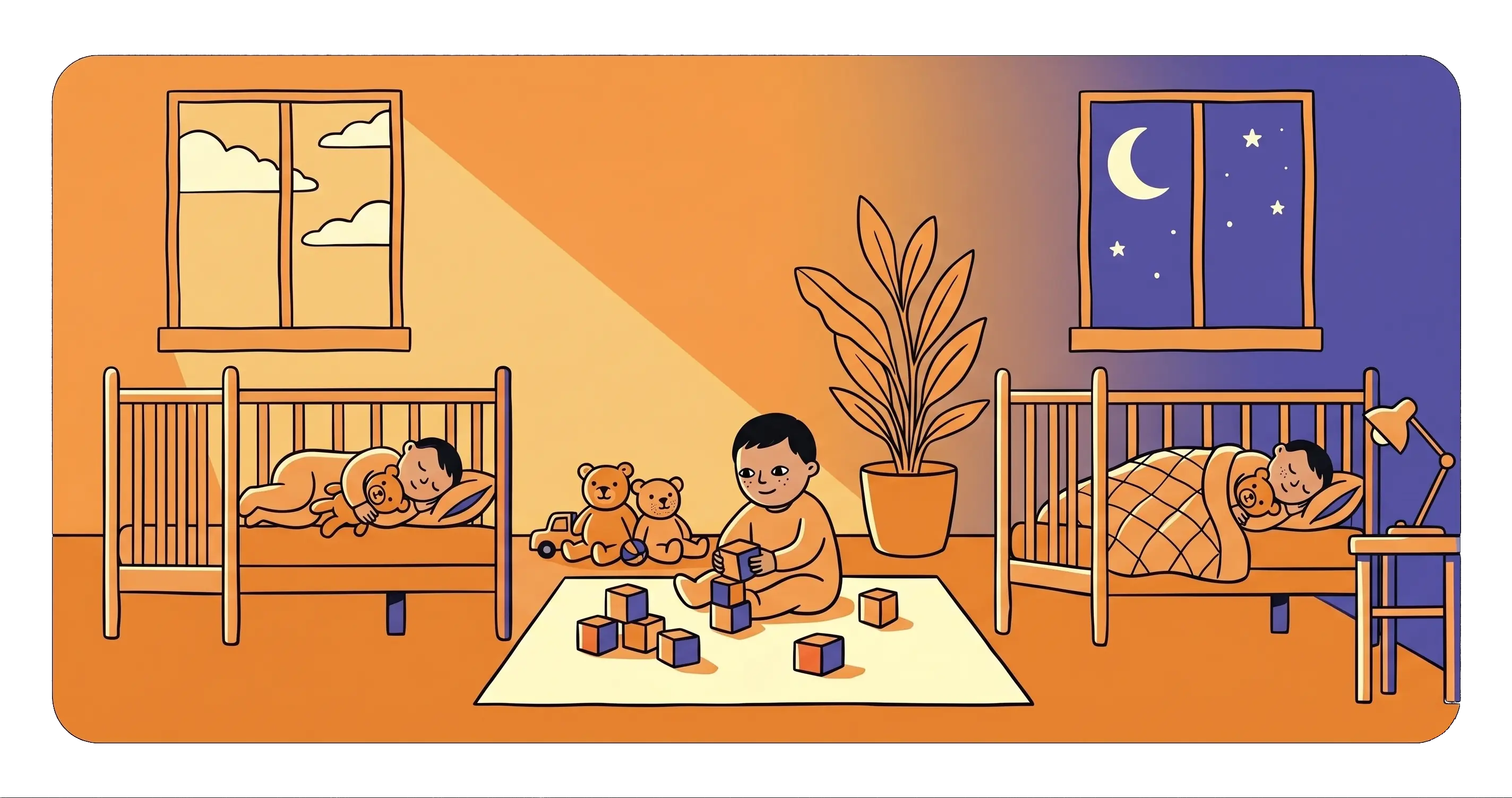
Child sleep hygiene helps organize daily rhythms, naps, and evening routines. Discover 10 recommended rules and symptoms that require a doctor's consultation.
Articles about children's sleep and nutrition — expert knowledge in one place.
64 articles
Child sleep hygiene helps organize daily rhythms, naps, and evening routines. Discover 10 recommended rules and symptoms that require a doctor's consultation.
Night wakings can stem from sleep development, hunger, discomfort, sleep habits, or illness. Learn to distinguish typical wake-ups from those needing consultation and go through a practical checklist.
A sleep consultant can help organize daily rhythms, naps, and bedtime, but they don't replace a doctor. Learn when to consult and symptoms needing a pediatrician, ENT, or sleep specialist.
Development can temporarily increase awakenings and make falling asleep harder, but it doesn't explain every sleep issue. Learn how to assess daily rhythm, health, and sleep habits, and when to seek help.
Sleep issues in a 2-year-old can stem from emotions, boundaries, nap times, or an irregular daily routine. Discover what to check first, how to respond calmly, and which symptoms require medical consultation.
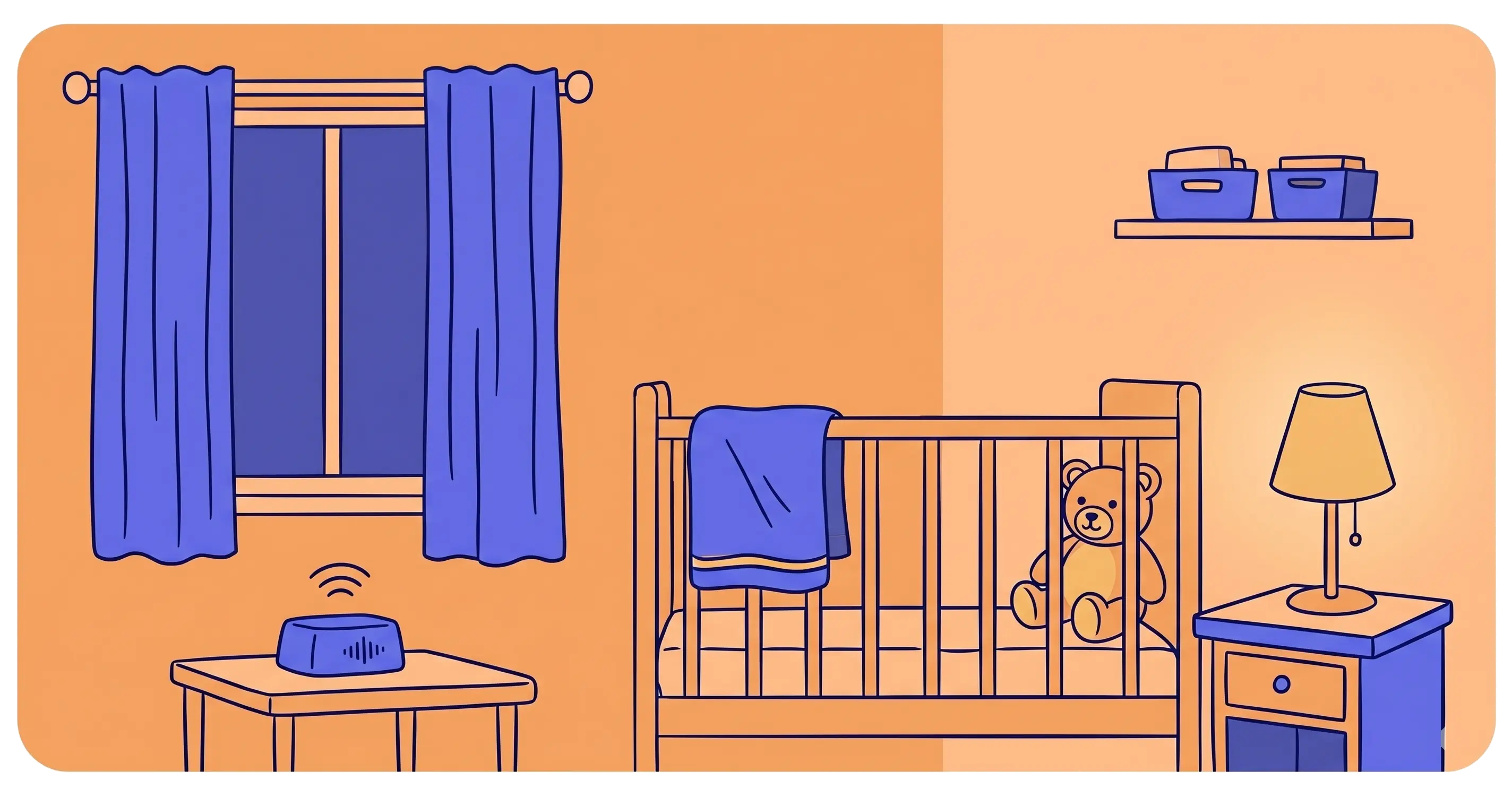
Early wake-ups aren't just about the clock. Learn how to assess total sleep time, naps, daily rhythm, and bedroom conditions, and make gradual changes.
The so-called 4-month sleep regression is linked to the maturation of an infant's sleep patterns. Discover which changes are normal, how to safely support your child, and when to consult a pediatrician.
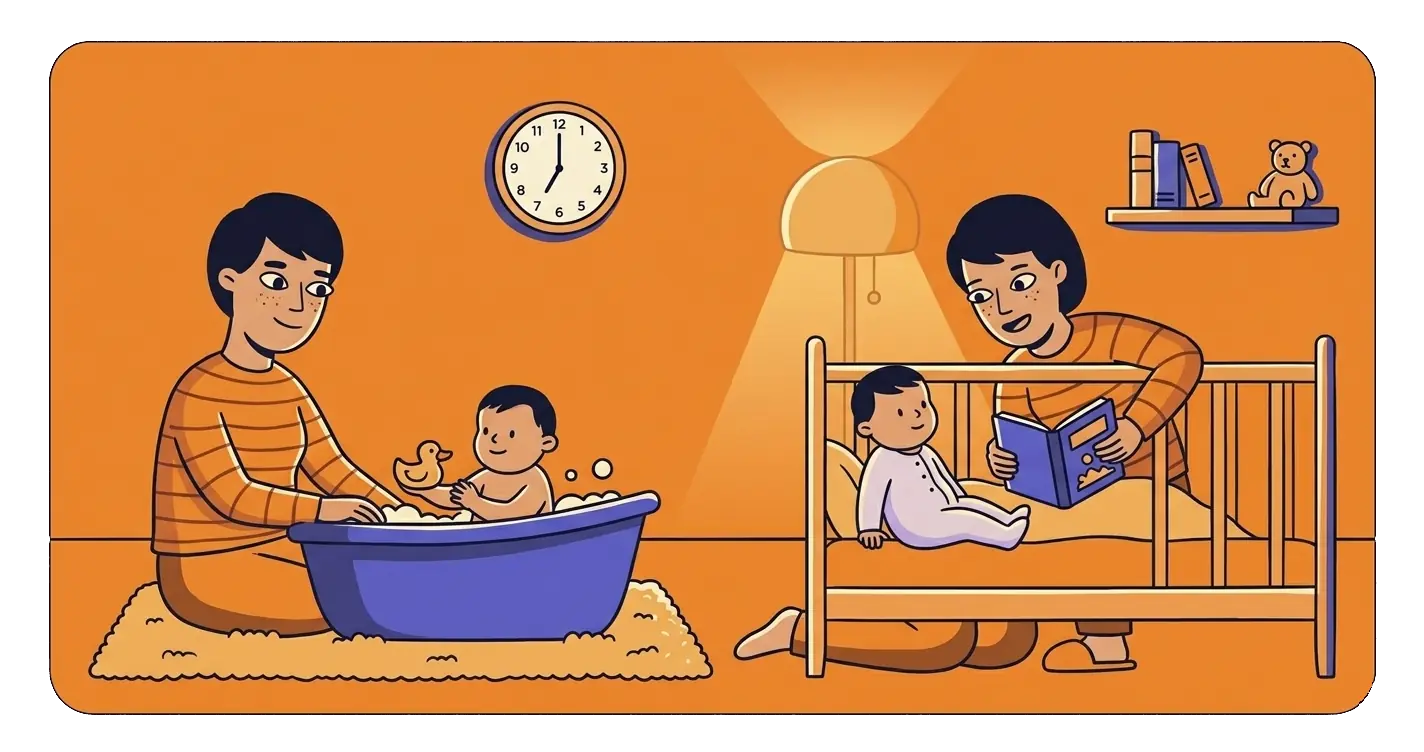
A good bedtime ritual doesn't have to be perfect or elaborate. The key is a predictable sequence, calming signals, and a plan tailored to the child's age. Discover routine examples for children aged 0–3 and 3–7.
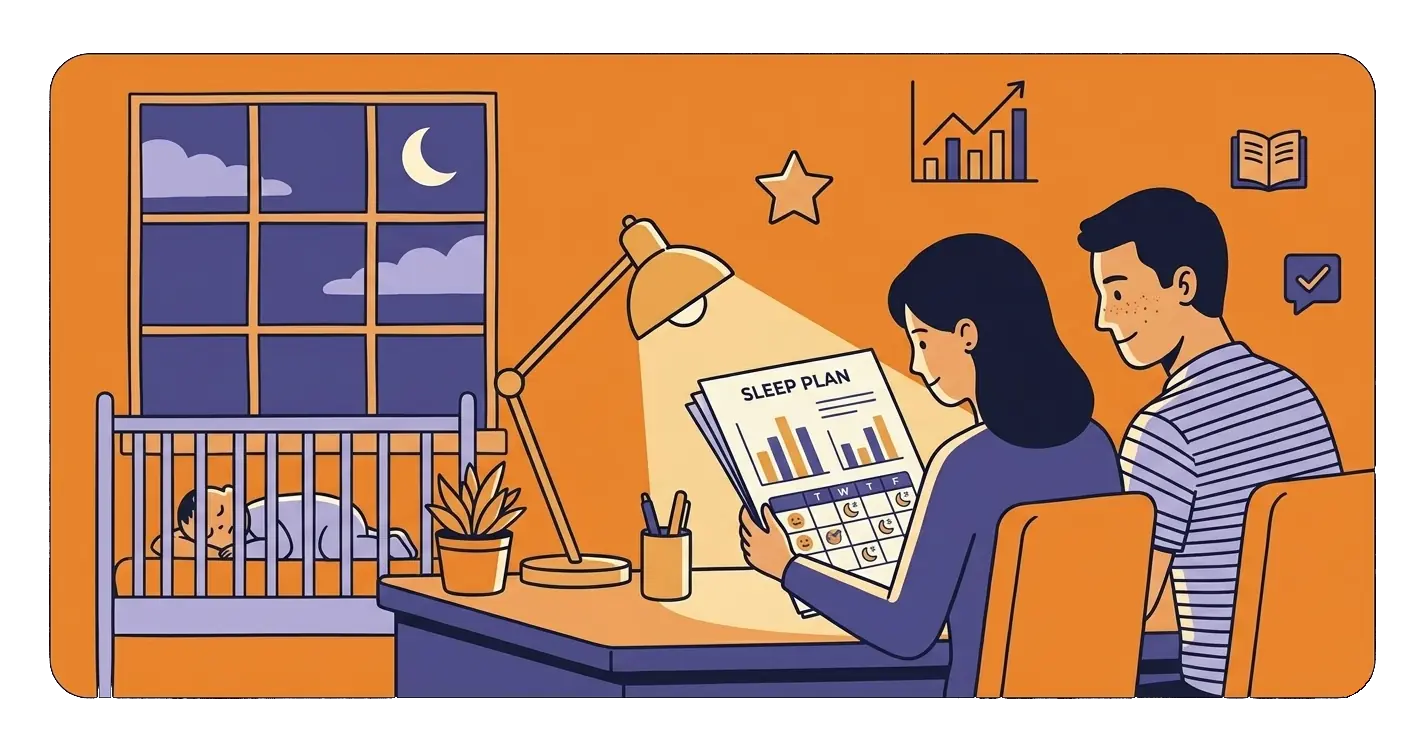
A sleep diary helps identify recurring nap times, sleep patterns, and night awakenings. Learn what to record, how long to observe, and how to avoid overinterpreting difficult days.