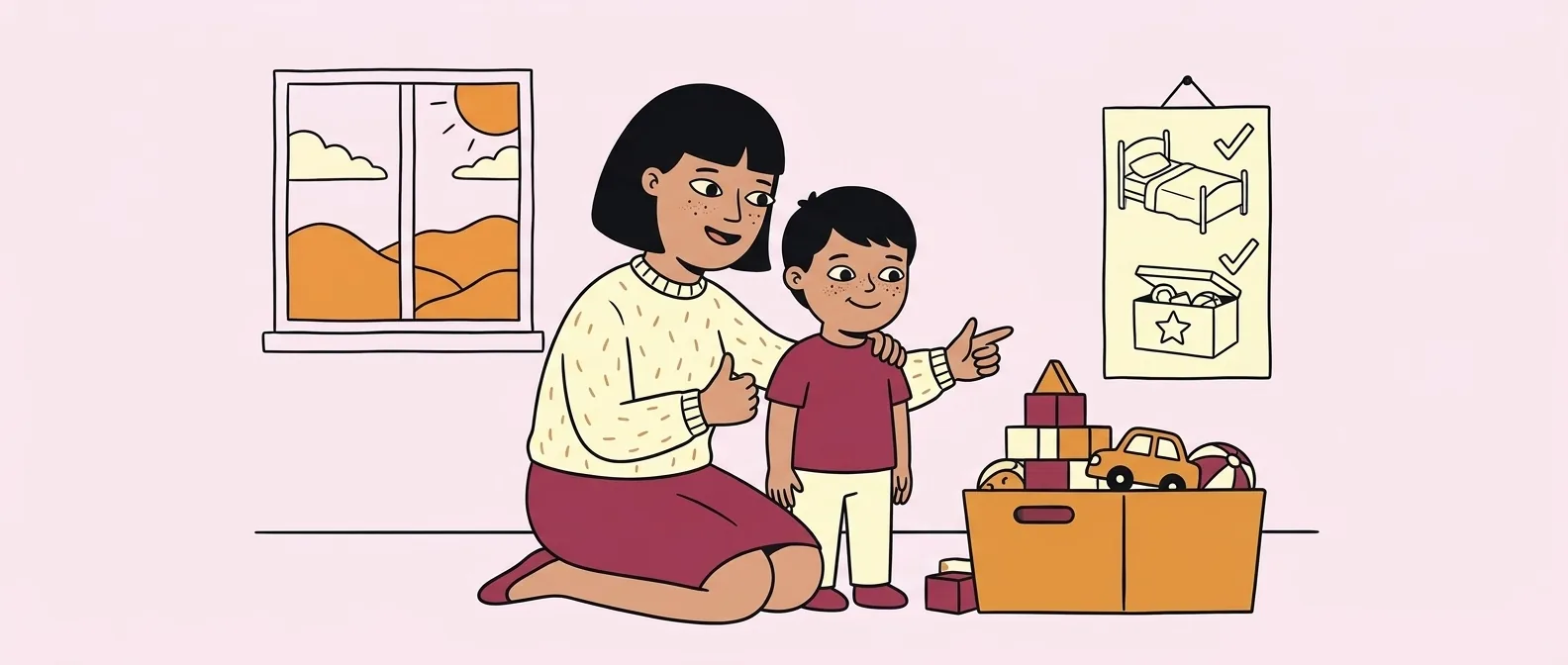
Punishments for Children or Positive Reinforcement: What Works Better?
Learn why punishments often stop difficult behaviour only briefly and how calm, related consequences and positive reinforcement can help children learn safer ways to cope.
Articles about children's sleep and nutrition — expert knowledge in one place.
64 articles
Learn why punishments often stop difficult behaviour only briefly and how calm, related consequences and positive reinforcement can help children learn safer ways to cope.
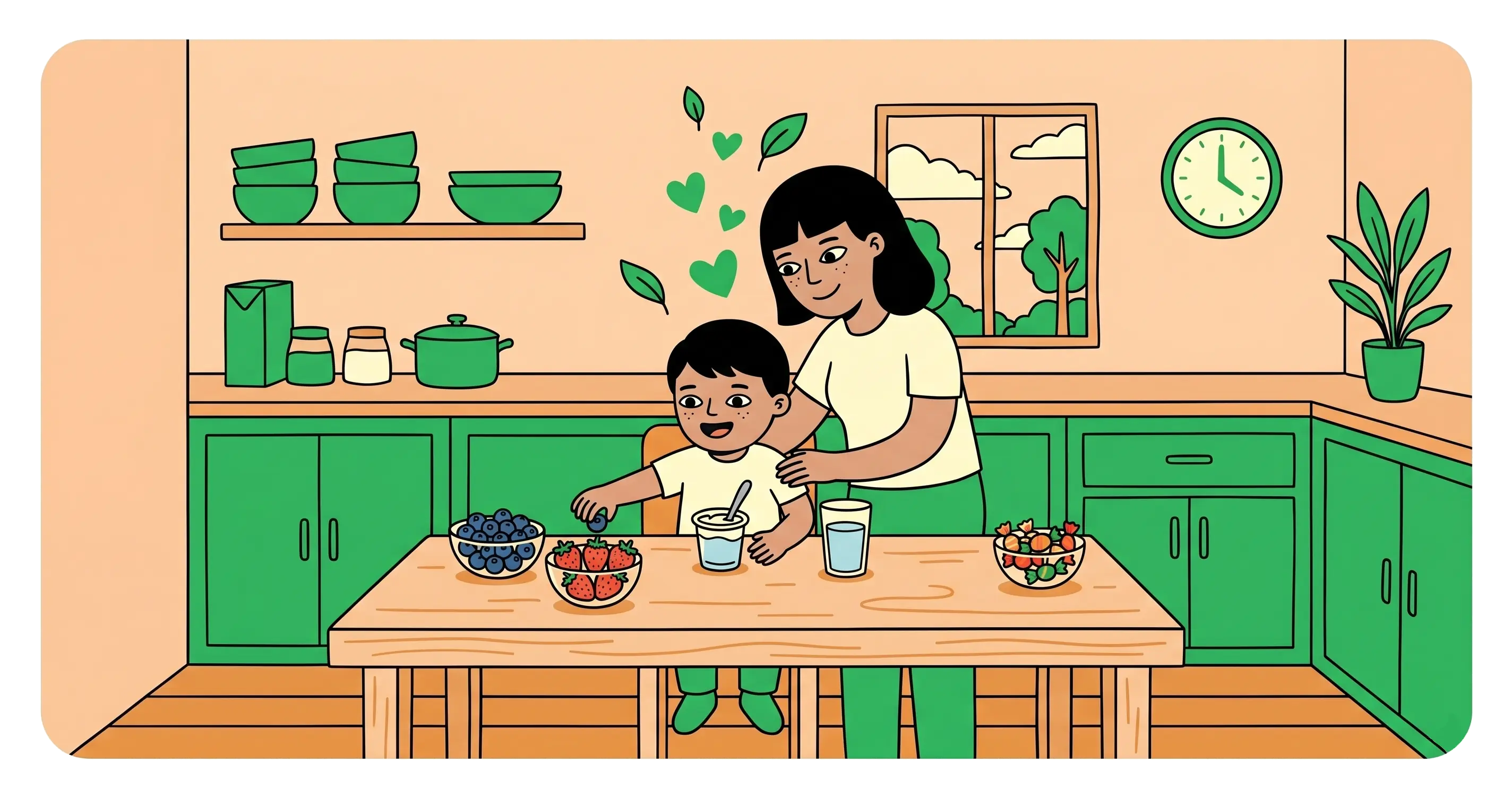
Learn about free sugars, where they're found, and how to gradually reduce sweets in your child's diet. Gentle rules, practical substitutes, and WHO recommendations for parents.
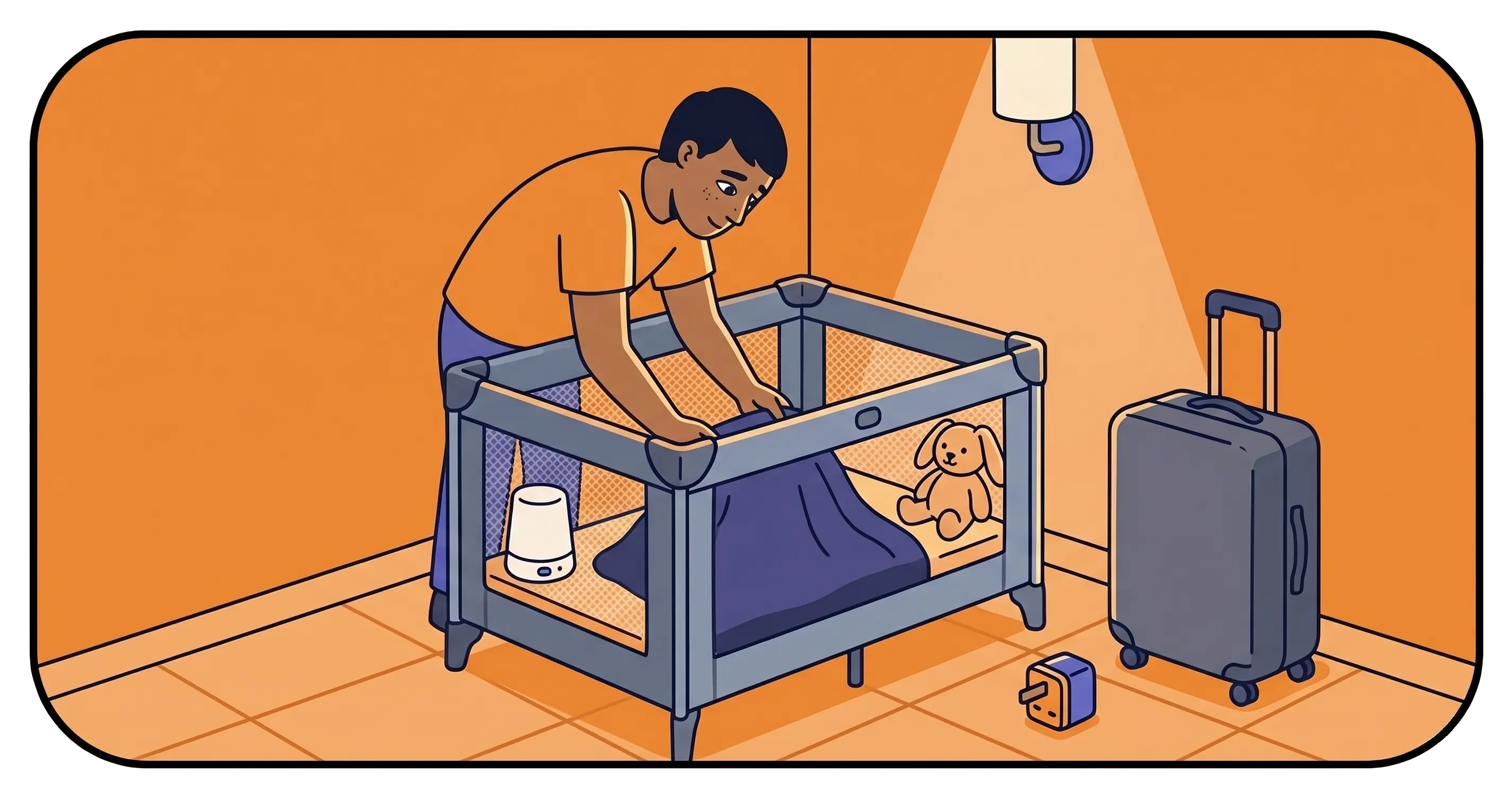
Travel can temporarily disrupt a child's sleep. Discover how to use a predictable daily rhythm, natural light, and familiar routines before, during, and after a vacation.
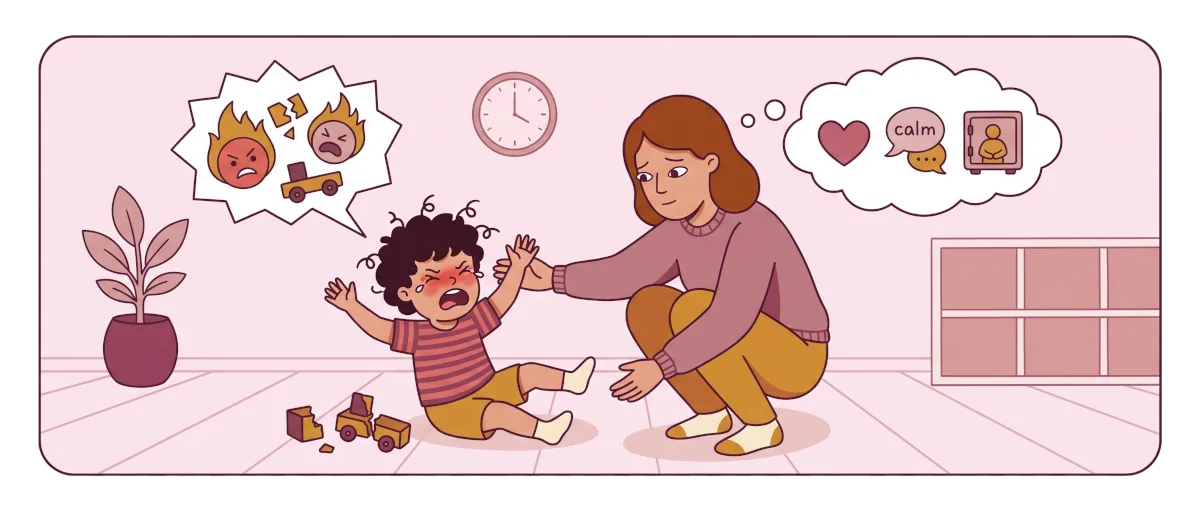
Tantrums can happen suddenly, especially when a child is tired, hungry, overwhelmed or has to stop a favourite activity. Learn how to respond calmly, keep everyone safe and reconnect after emotions settle.
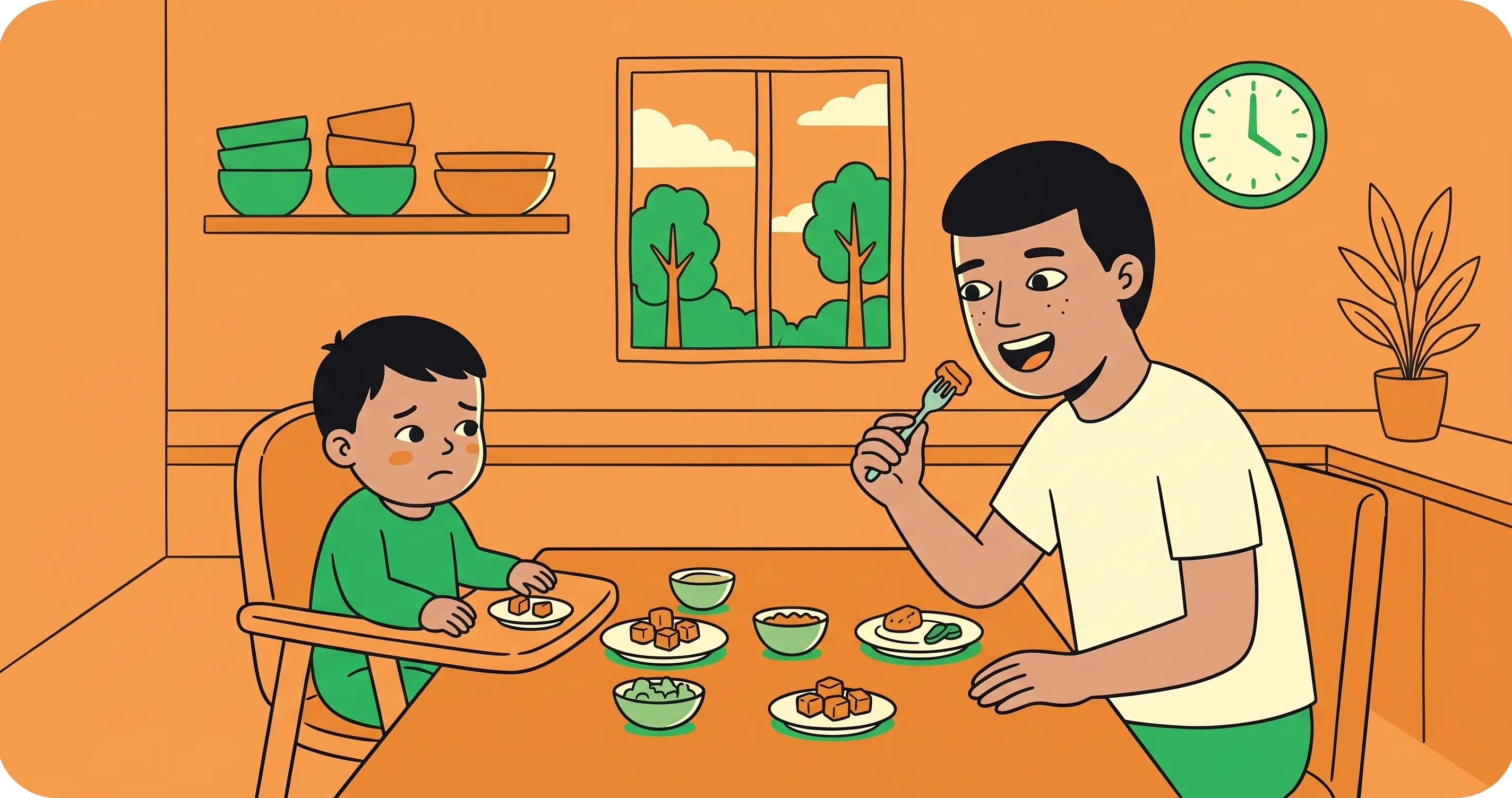
Food neophobia is often a developmental phase, but a shrinking diet, strong anxiety, deficiencies, or growth issues require assessment. Learn how to distinguish between normal pickiness and serious selectivity or ARFID.
Around 8-10 months, sleep may worsen due to separation anxiety, new motor skills, and nap changes. We explain how to respond safely to night wakings, what to avoid, and when to consult a pediatrician.
Sleep regression is not a diagnosis but a common term for a temporary change in an infant's sleep. Learn what may cause frequent awakenings, how to support your child, and when to consult a pediatrician.
Separation anxiety can temporarily make falling asleep difficult and increase nighttime wake-ups. We explain what's normal, how to support your child in the evening and at night, and when to consult a specialist.
Sleep training includes both gentle reduction of assistance and more decisive methods. We explain what research says, how to choose an approach, and when to first consult about your child's health and development.