One loss and big emotions—why such a strong reaction?
“It’s only a game—why are they getting so upset?” This question often comes up after tears, shouting or a game piece being thrown. For a child, losing is not always a small thing. It can mean that something very important turned out differently from how they imagined it would.
A strong reaction does not automatically mean poor parenting or a “difficult personality”. Your child may be tired, hungry, overwhelmed by stimulation or simply very invested in the game. In these moments, even a small setback can trigger a lot of tension.
The most important thing is not to focus only on the outcome of the game. It is worth looking at what happened before the outburst, how your child reacts and what they need to return to a calm state.
When is anger after losing part of everyday life?
Young children are still learning what to do with disappointment. They may cry, stomp their feet, refuse to keep playing or push the game away angrily. They may not yet be able to say, “I’m sad” or “I really wanted to win.”
Especially in the early preschool years, emotions often come out through the body. A child may clench their fists, shout or move abruptly before they learn to use words. This is a time for calm guidance, not shaming.
In practice, it can help to consider a few things:
- Does your child hit, kick or throw objects when angry?
- Can they calm down after a while with your support?
- Do similar reactions also happen when they are told no, have to wait or plans change?
- Do outbursts happen mainly late in the afternoon, after a long day or before a meal?
- Is this difficulty beginning to get in the way of playing with other children?
Crying after losing or briefly stomping their feet can usually be treated as part of learning to manage emotions. The situation is different when anger regularly leads to someone getting hurt, things being damaged or a child being unable to regain their balance for a long time.
If these situations are frequent, very intense or occur in many everyday moments, it may be worth discussing them with a paediatrician or child psychologist. A consultation is not about putting a label on your child, but about calmly looking at what they need.
Why does losing hurt so much?
For an adult, the result of one round may not matter much. For a child, it can feel as though something did not work out, they lost an opportunity or they did not get something they cared about. That is why the words “it’s only a game” rarely calm the situation.
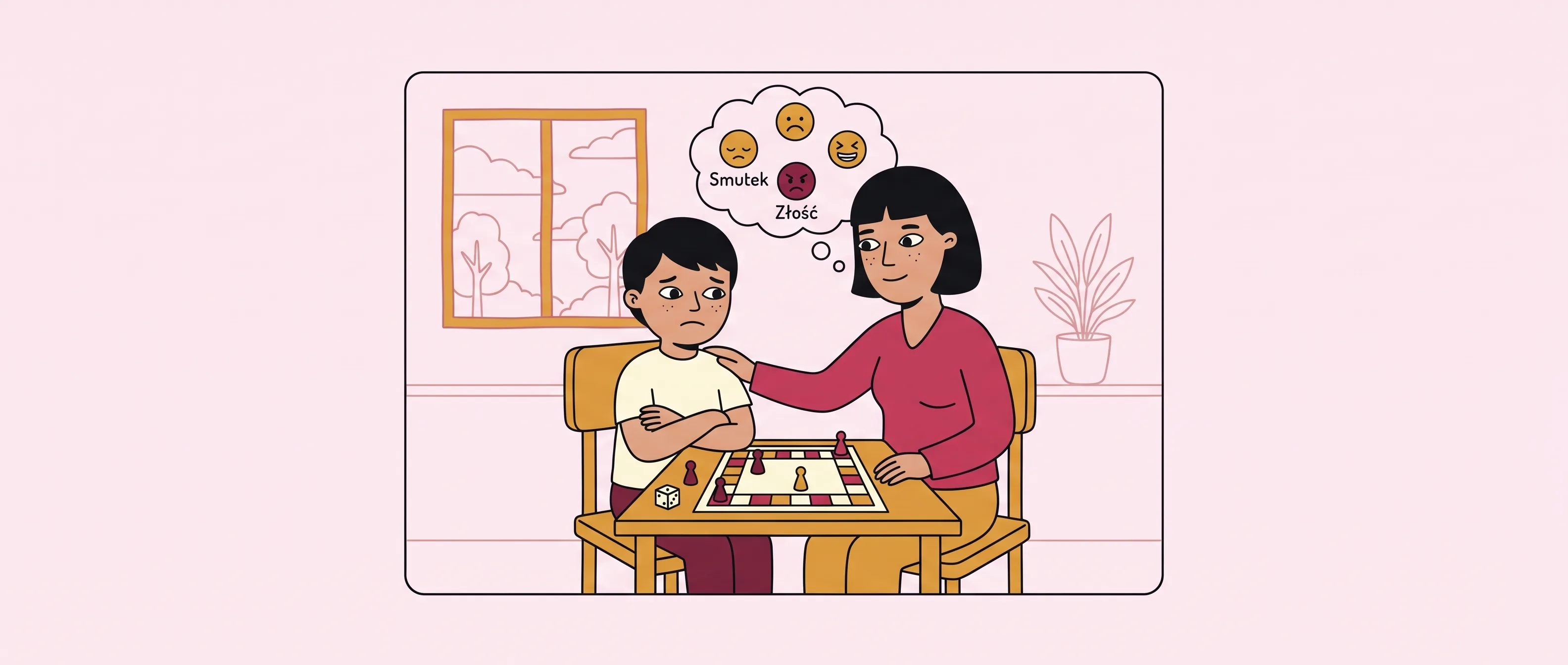
Anger often covers other feelings: sadness, disappointment, helplessness or tension. Your child may not know these words yet, so they show those feelings by shouting, crying or refusing to continue the game. The emotion is not the problem—the behaviour that hurts others or damages things needs a boundary.
What can make emotions even more intense?
It is not always only about losing. Sometimes a child is simply having a difficult moment, with little patience or energy left.
The reaction may be stronger when:
- the rules are too complicated or change during the game;
- the wait for a turn is long;
- there is a lot of noise and commentary around them;
- your child has not eaten, is sleepy or tired;
- the game lasts longer than your child is ready to manage;
- the result seems sudden or hard for your child to understand.
Simple observation over a few days can help. Notice what time difficult situations occur, who is involved in the game and whether your child had time to rest beforehand. This will make it easier to plan the next play session in calmer conditions.
Winning should not determine your child’s worth
A child may experience failure more intensely if they often hear comparisons or comments such as, “Look, other children can do it.” Then the result stops being just a result. It starts to sound like the message: “I’m worse.”
It is worth talking about the specific situation rather than the child. Instead of saying, “You lost because you weren’t paying attention,” you could say: “That round didn’t go well. We can look at what was difficult.” This creates space for learning without adding shame.
What to do during an outburst? A calm action plan
In the middle of anger, your child does not need a lecture about fair play. They need clear boundaries, a calm tone and the sense that the adult is in control of the situation. It is best to leave the conversation about what happened until later.
1. Put safety first
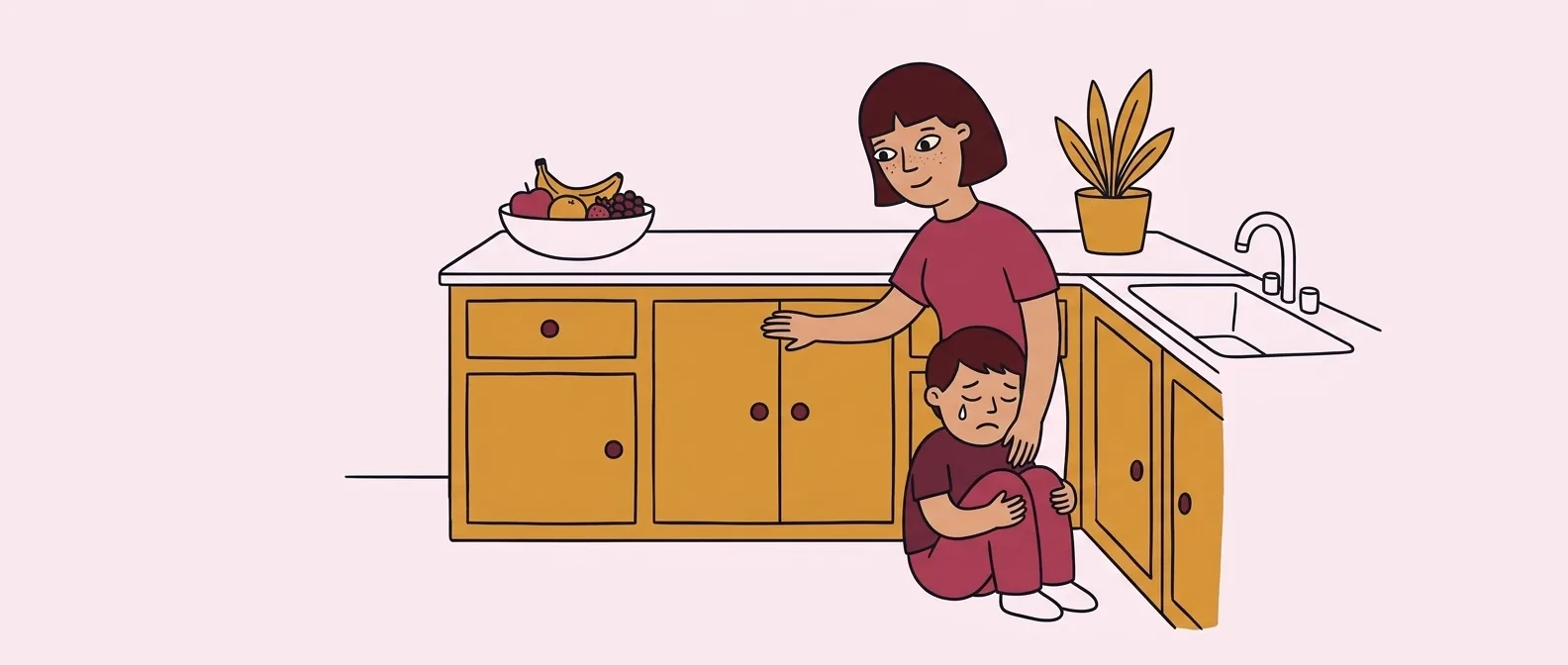
If your child throws game pieces, move them out of reach. If they try to hit, create more distance and make sure that other people are not nearby. Respond calmly but clearly.
You can say:
- “I won’t let you throw things.”
- “I’m stopping the game so everyone can be safe.”
- “I won’t allow hitting.”
You do not need to add many sentences. The bigger the emotions, the easier a simpler message will be to take in.
2. Show that you see the emotion
Naming what your child is experiencing does not mean agreeing with every behaviour. You can acknowledge the anger while also stopping what is unsafe.
For example: “You’re very angry because you wanted to win. I understand that this is hard. But I won’t let you damage the game.”
This message communicates two important things: feelings are noticed, and boundaries still apply.
3. Do not change the result because of shouting
Giving your child the win just to end the tantrum may bring a moment of quiet. However, it does not help them understand that losing is part of playing. Suddenly declaring a draw when there was not one before does not help either.
You can calmly say: “The round is over. We’ll come back to the game another time, when everyone is ready.” This is not a punishment for being angry. It is a predictable rule about how you play together.
4. Give your child a simple way to calm down
One child may want a cuddle, while another needs a moment of quiet. Do not assume that every method will work in the same way. It is better to offer two short options.
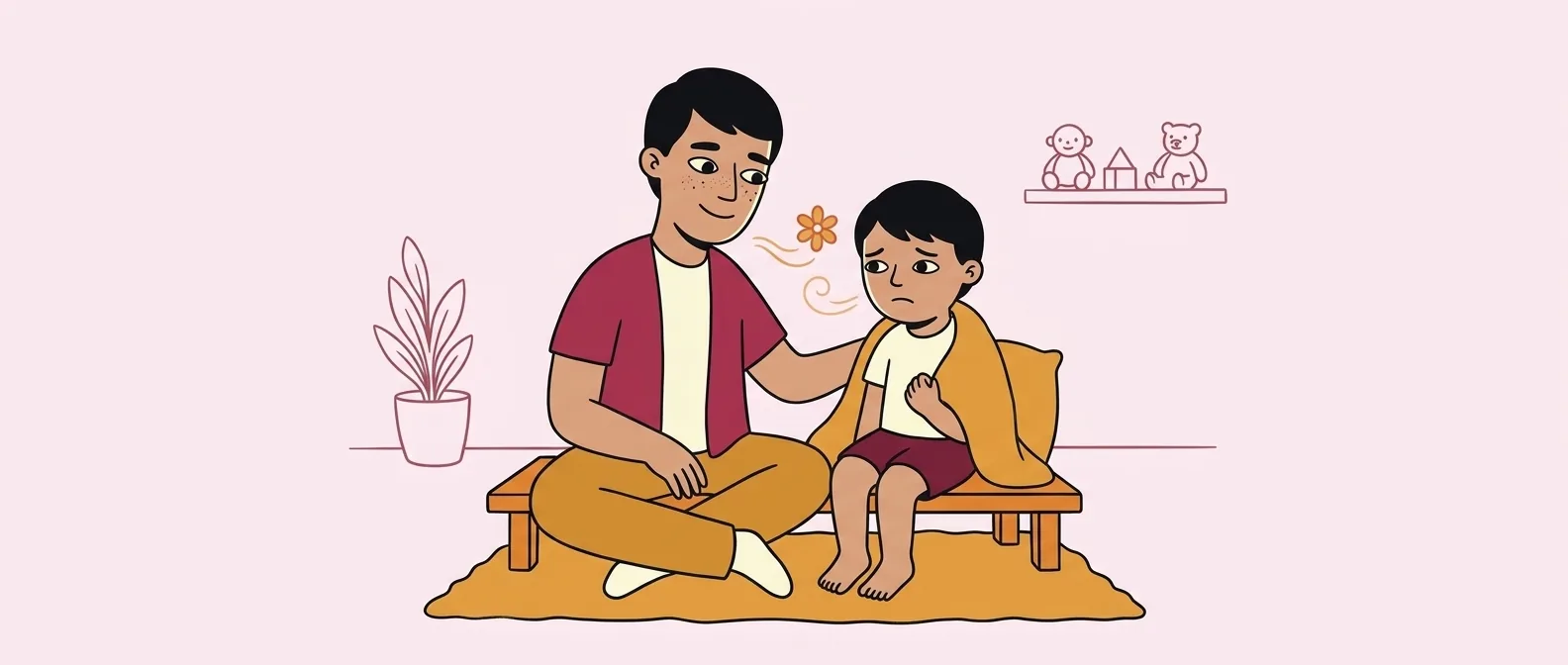
You might suggest: “Would you like to sit next to me, or go to the other room for a moment?” Water, a few jumps, slowly blowing as if cooling hot soup or calmly putting scattered pieces away can also help.
5. Return to the conversation only after they have calmed down
When your child is ready to reconnect, you can briefly return to what happened. There is no need to go over the whole game in detail. It is enough to name the problem and agree on one step for next time.
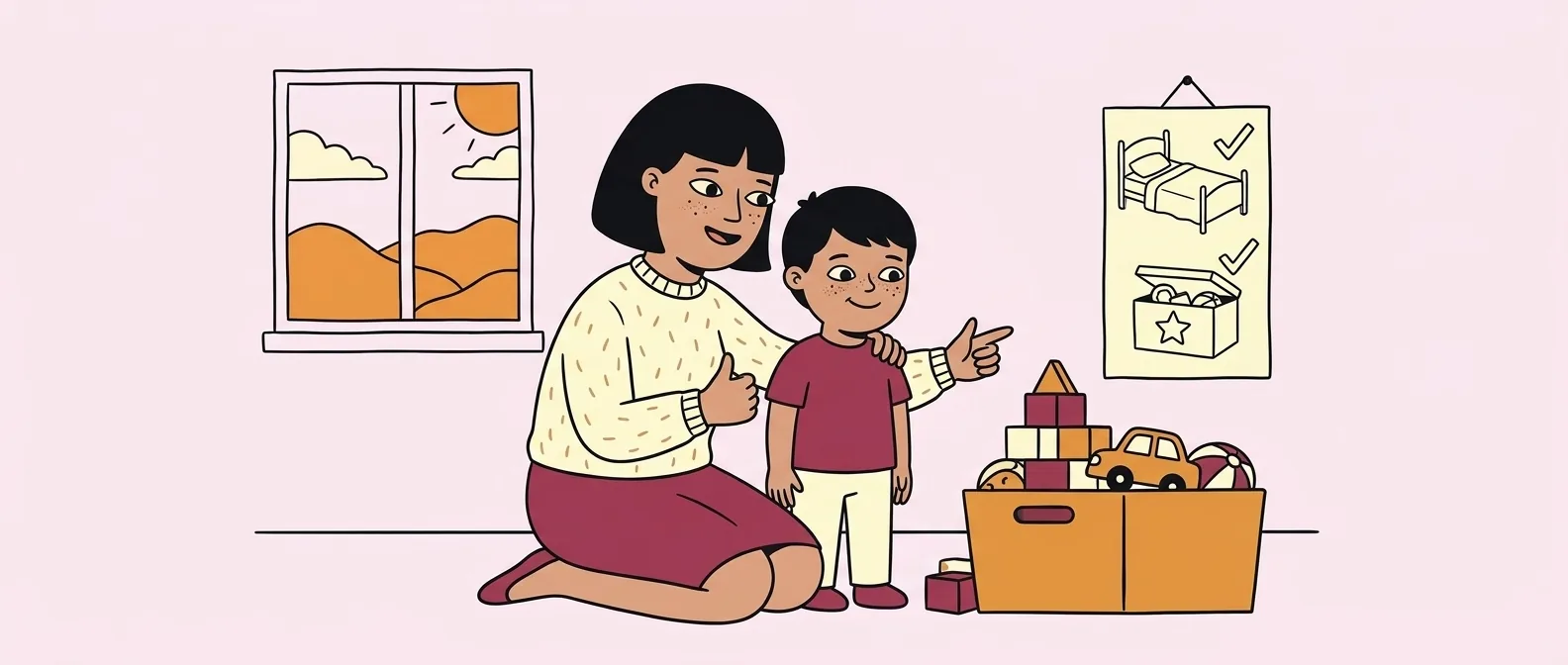
For example: “It was hard for you when the score changed. Next time, you can say, ‘I need a break,’ instead of throwing the game pieces.” If something was scattered or damaged, invite your child to put things right with you.
Brief conversations after losing: younger and older children
After your child has calmed down, it helps to speak briefly and step by step: acknowledge the disappointment, remind them of the boundary and then let them know they can return to play later.
With a younger child:
Adult: “You’re sad because you wanted to win.”
Child: “I want to play again!”
Adult: “I won’t let you throw game pieces or hit. We’re putting the game away now. We’ll come back to it later, when we are ready to play safely.”
With an older child:
Adult: “I can see that you feel very disappointed by that result.”
Child: “It’s not fair—I’m not playing!”
Adult: “You’re allowed to be angry, but I won’t agree to throwing game pieces or hitting. We’re ending this round and taking a break. Later, we’ll decide whether to return to the game or choose another activity.”
How can you prepare your child for losing before the game even begins?
It is easiest to practise difficult situations before emotions fully take over. Brief agreements before starting a game can reduce surprises. They do not need to sound strict—the important thing is that they are clear.
Before you begin: explain what to expect
Before the game, remind your child that the result can go either way. They do not have to be happy about it, but they should know what will happen if it becomes too difficult.
Helpful phrases include:
- “Everyone gets a turn.”
- “Today we’re playing one short round.”
- “We don’t change the result after the game ends.”
- “If you feel very angry, you can ask for a break.”
- “If someone hits or throws things, we stop playing.”
The goal is not for your child to immediately accept every loss calmly. The goal is to build a simple plan for what they can do when disappointment appears.
During the game: respond to the first signs of tension
It is worth not waiting until emotions reach their highest point. If you notice a raised voice, abrupt movements, blaming others or attempts to change the rules, you can take a short pause.
For example, say:
- “I can see this is getting hard.”
- “It’s the other person’s turn now, then it will be yours.”
- “We can pause the game for a moment.”
- “You don’t have to like the result. But you can speak without insulting anyone.”
In these moments, do not try to convince your child that they have no reason to be angry. It is better to help them move through the emotion safely.
After the game: bring the situation to a close without judgement
Even if your child lost and is unhappy, you can end the game calmly. A simple ritual can help: putting the pieces away, naming the emotion and moving on to the next activity.
You can say: “You don’t like that result. I understand. The game is over now, and we’re putting the pieces away.” This teaches your child that a difficult feeling does not have to take over the whole afternoon.
Activities that help children get used to waiting and small setbacks
Not every activity needs to be competitive. Before facing a clear winner and loser, a child can practise waiting, taking turns and ending an activity.
For younger children: the “your turn, my turn” game
At first, activities without a winner work well. You can roll a ball to each other, take turns putting objects into a box, build one tower together or move a toy car along a track.
Use simple words: “My turn now. Your turn now.” If your child becomes frustrated quickly, make your turn shorter and choose an activity with more movement.
For preschoolers: short games with a simple ending
When your child begins to understand rules better, you can introduce short games with a result. Choose games that do not last long and do not require remembering many rules at once.
Before you start, agree on a simple plan: “We’ll play one round for a few minutes, then we’ll finish.” If you see that the game itself is too difficult, return to a simpler activity without making it into a problem.
For older preschoolers: practising how to finish a round
Older children can gradually learn that a game has a beginning, middle and end—regardless of the result. Putting the board away together, saying “the round is over” and briefly moving on to something else can help.
Do not increase the difficulty too quickly. First, make the game a few minutes longer, then add one new rule. Small steps are often easier to manage than suddenly moving on to a long, demanding game.
What is best to avoid when your child struggles with losing?
Do not set up every game for your child to win
Always winning may spare difficult emotions in the moment. However, it does not give your child the chance to discover that they can cope with disappointment and still return to play afterwards.
You also do not need to deliberately beat your child many times in a row to “toughen them up”. If they are already tense, another loss may only make things worse. It is better to match the level of difficulty to what they can currently manage.
Do not use labels
Words such as “crybaby”, “cheat” or “sore loser” do not show your child what they can do differently. Instead of teaching, they may trigger shame or another argument.
Focus on the behaviour: “I won’t agree to you shouting at others”, “The game pieces stay on the table”, “You can say that you’re angry.” Your child needs specifics, not judgement about who they are.
Do not leave your child alone with big emotions
Not every child wants physical closeness. Still, it is worth showing that you are available and calm. You can say: “I’m nearby. I’ll come back to talk when you’re ready.”
Being present does not mean giving in. You can be supportive while also consistently stopping hitting, damaging things or insulting others.
A few myths that make learning to lose harder
- “If the rules were fair, a child should not get angry.”
Fair rules matter, but they do not make disappointment disappear. Your child may still experience the result very intensely.
- “My child is doing this on purpose to force a win.”
Sometimes the behaviour may look like an attempt to take control, but it can also mean that your child does not yet know how to stop the tension building. Hold the boundary, and consider the reasons only after they have calmed down.
- “A good method will make anger disappear.”
The goal is not the absence of emotions. What matters more is that, step by step, your child learns to move through anger without hurting themselves, other people or things.
Summary: losing is a difficult moment, not a label
Your child may feel disappointed, cry or need a moment of quiet after losing. They have a right to that. At the same time, your role is to make sure that anger does not turn into hitting, throwing objects, damaging the game or insulting others.
Consistency helps most: shorter games, simple rules, calm responses and one clear plan for difficult moments. You do not need to expect immediate change. It is worth noticing even small steps, such as asking for a break, putting down a game piece instead of throwing it or reconnecting after being angry.
If you would like to calmly organise the situation and describe what happens during games, use the BehaviorComplainer consultation form.
Sources
- American Academy of Pediatrics (AAP), “Competition and Cheating”.
- American Academy of Pediatrics (AAP), “Defiant Behavior: How Play Can Help Children Cope With Change”.
- American Academy of Pediatrics (AAP), “Everybody Gets Mad: Helping Your Child Cope with Conflict”.